

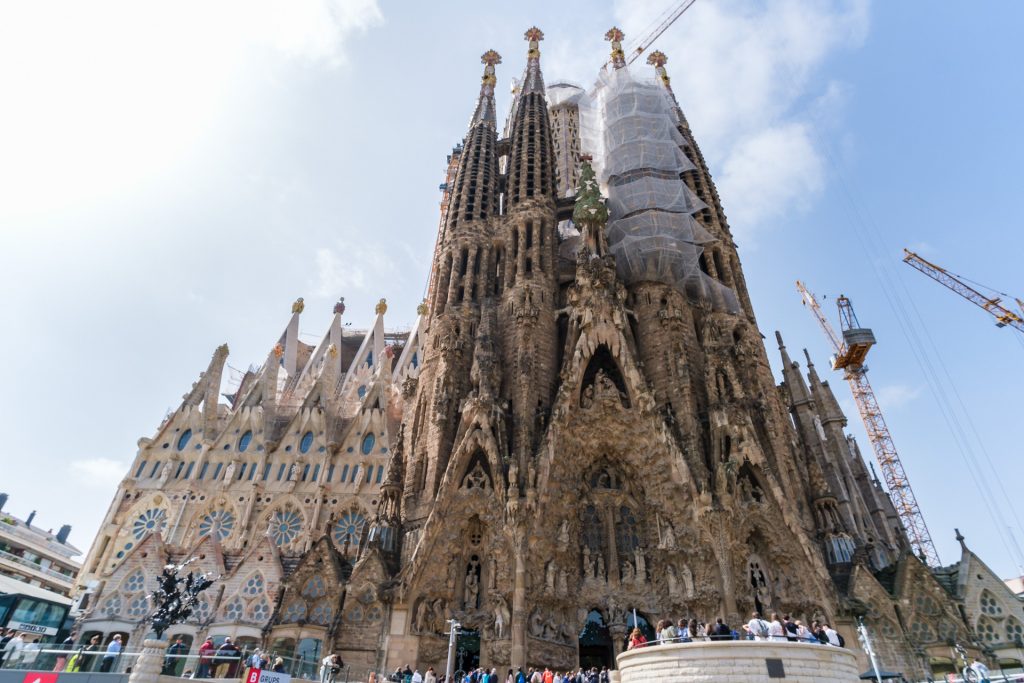
One of the highlights of my trip was visiting the Sagrada Familia in Barcelona. Construction on this church began in 1882 and is still ongoing. Designed by the famous Catalan architect Antoni Gaudí, this UNESCO World Heritage Site is a must-see if you’re in Barcelona.
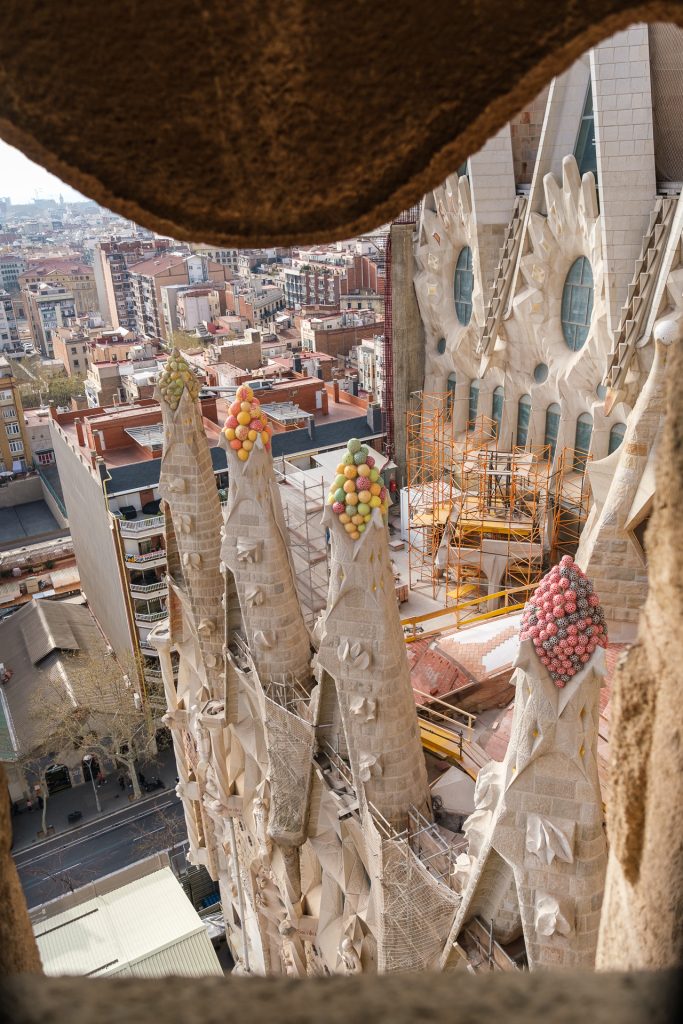
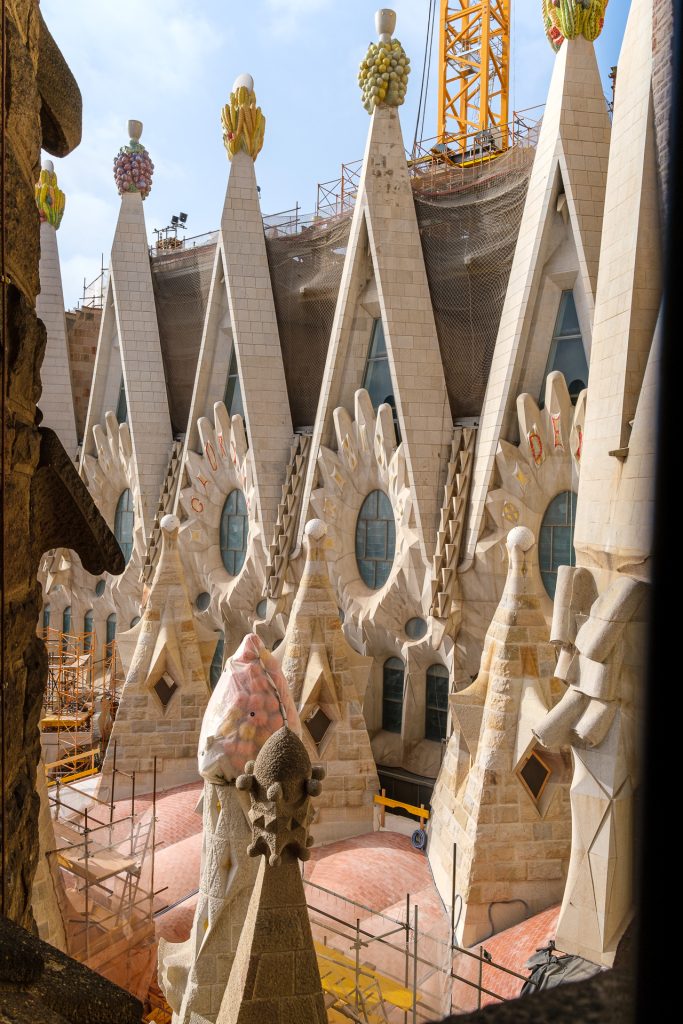
To make the most of your visit, plan ahead and book tickets in advance, as this site in the Eixample district is incredibly popular. The best time to visit is the first time slot in the morning to avoid the crowds. When booking tickets online, you can choose to visit one of the towers. We opted for the Nativity tower, which is already completed and offers a stunning view of the city from the top.
Fortunately, a small elevator takes you to the top of the tower, and from there, you descend via spiral stairs. Openings in the tower walls provide glimpses of the city and church from different angles as you make your way down.
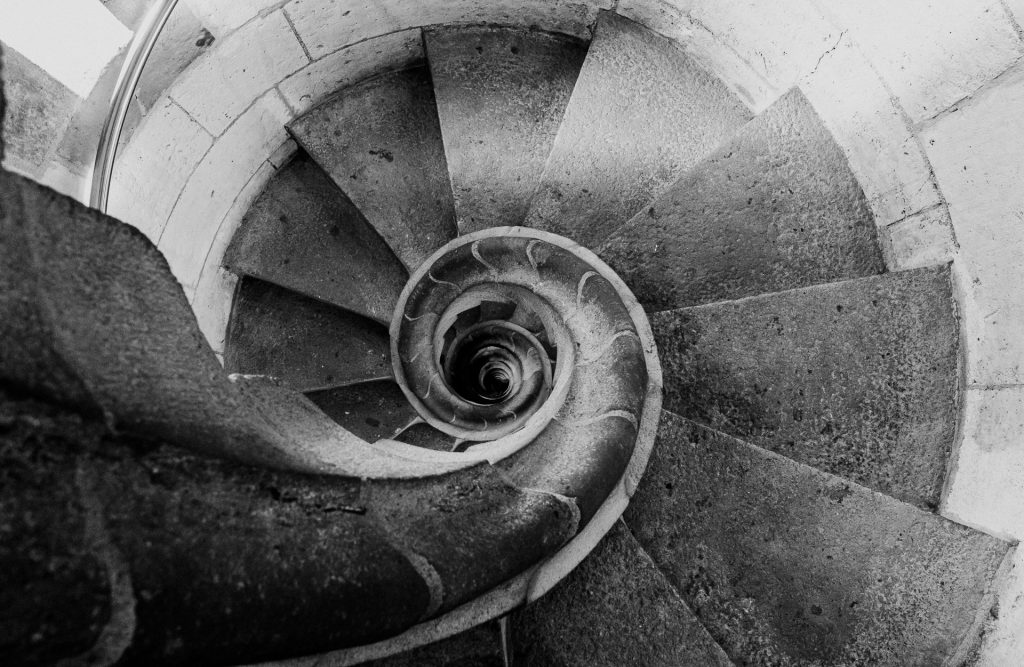
Walking down the spiral stairs can be dizzying, so take it slow. If heights make you uneasy, avoid looking down the center of the spiral. The descent is like a choose-your-own-adventure, with paths branching off at certain points, adding an element of fun to the experience.
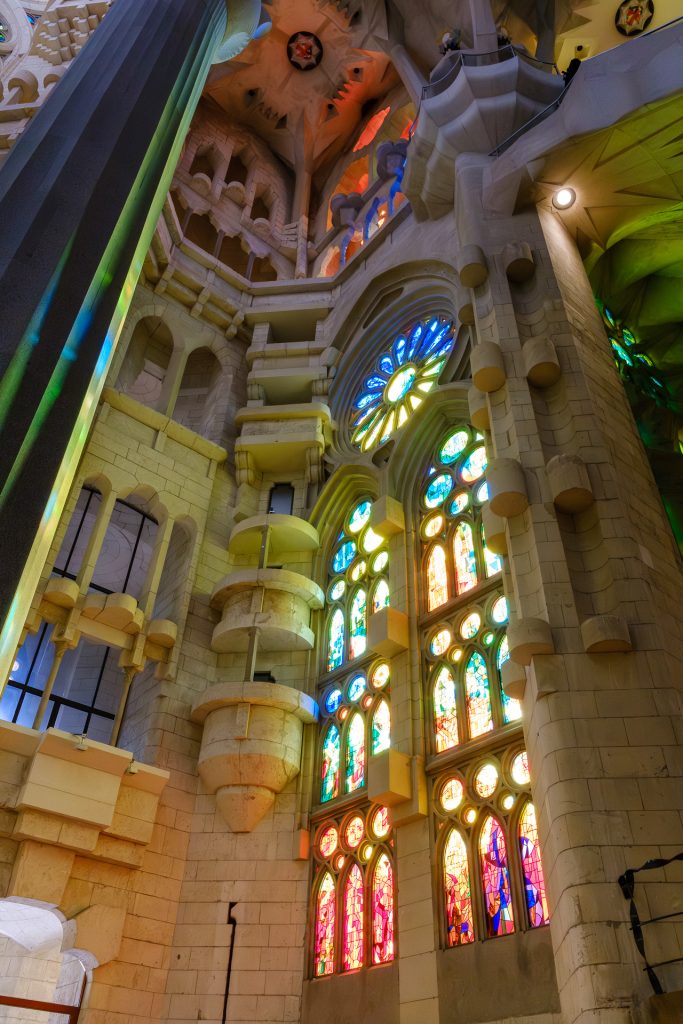
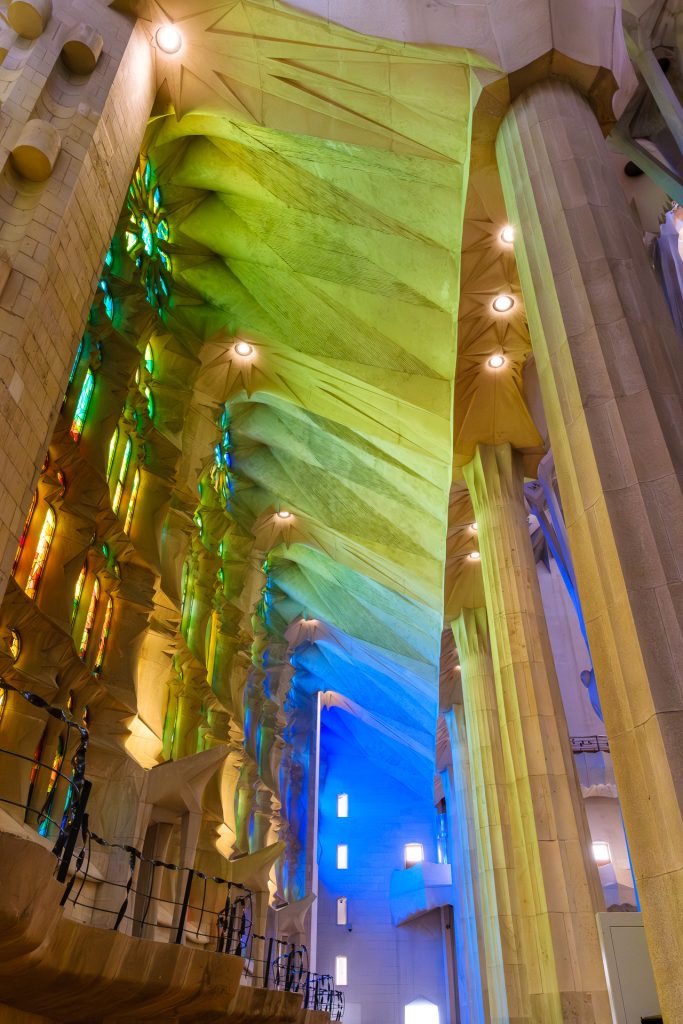
At the bottom of the stairs, a door leads into the church’s interior. I was immediately awestruck by the rainbow of colors streaming in through the stained glass windows. Walking towards the center felt like wandering through a beautiful forest—except instead of trees, you’re surrounded by tall columns, and instead of a winding path, you’re navigating through groups of people.
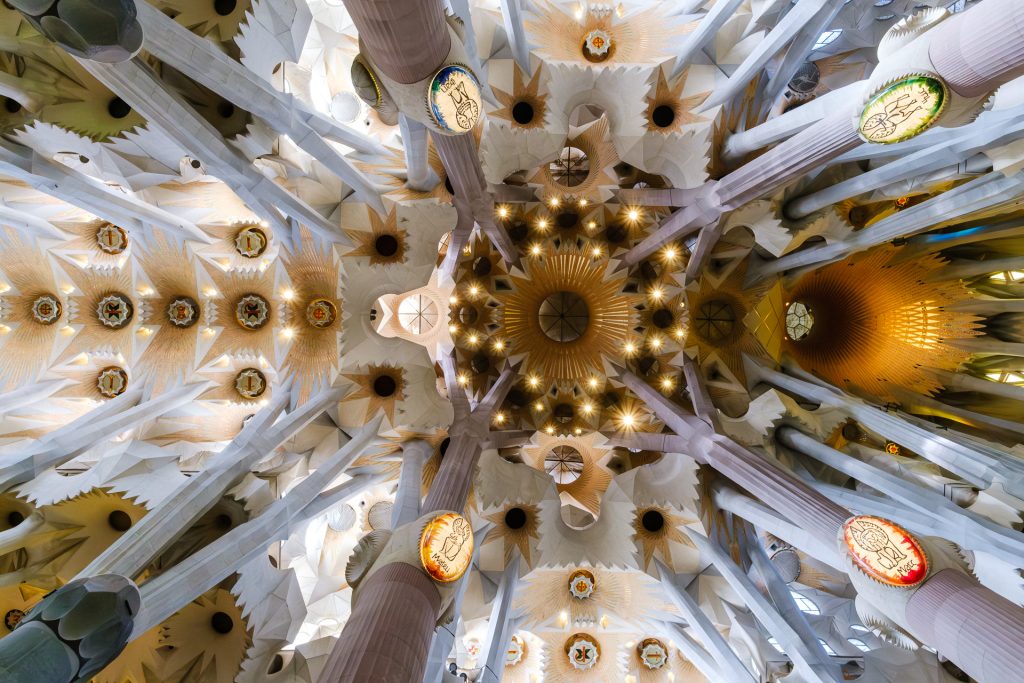
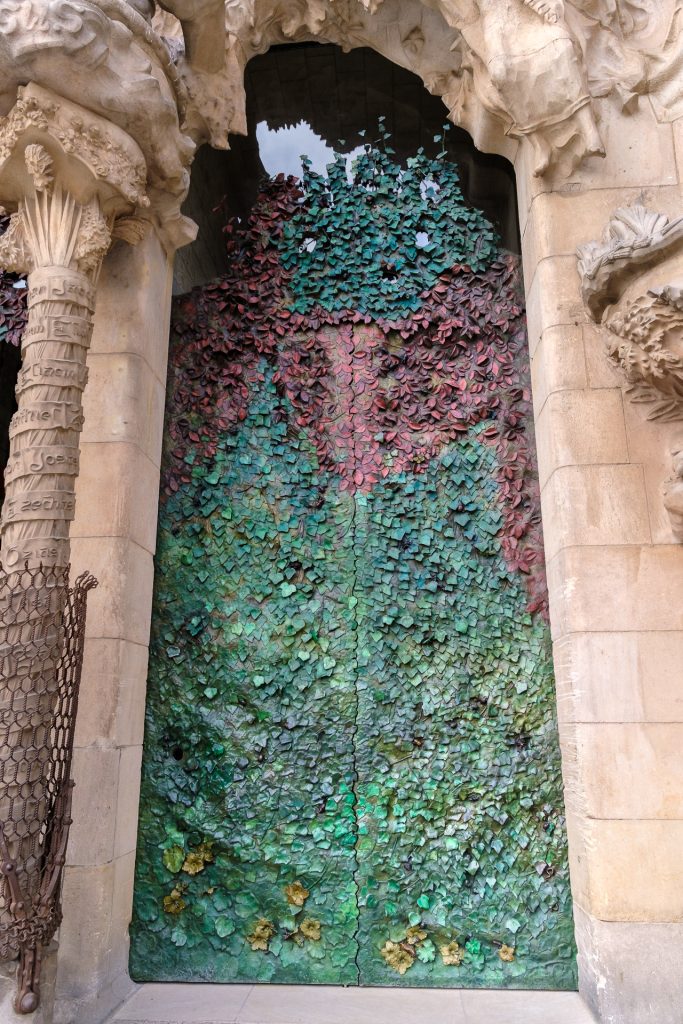
It was Gaudí’s intention to mimic the designs of nature, evident in the intricately designed doors to the Nativity facade, covered in metal leaves and flowers. Beyond the nature theme, Gaudí’s use of symbolism throughout the church is remarkable.
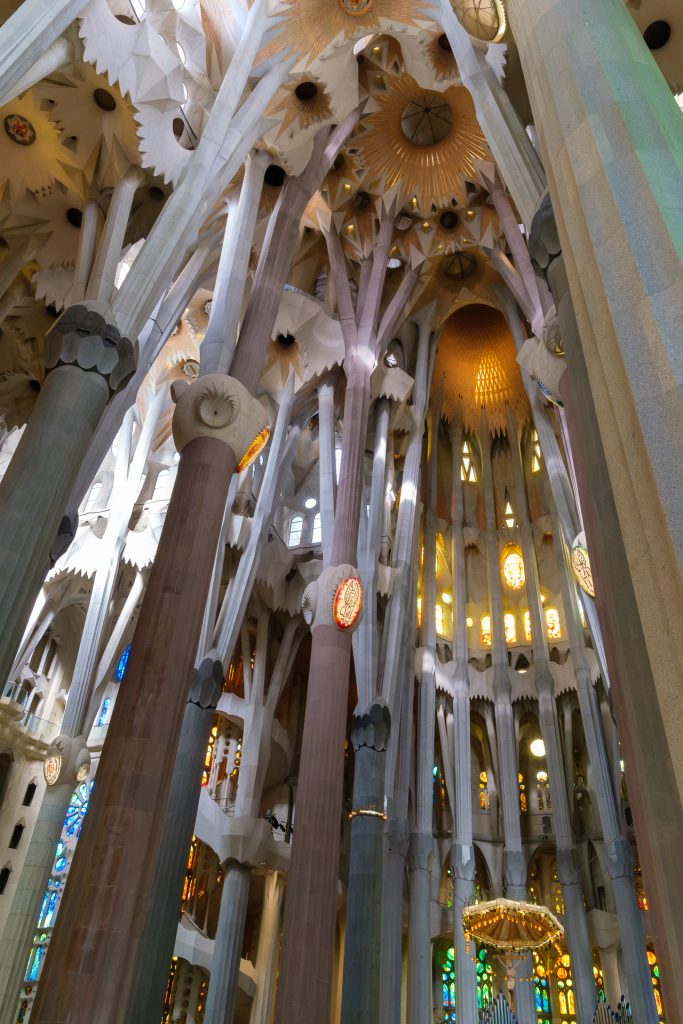
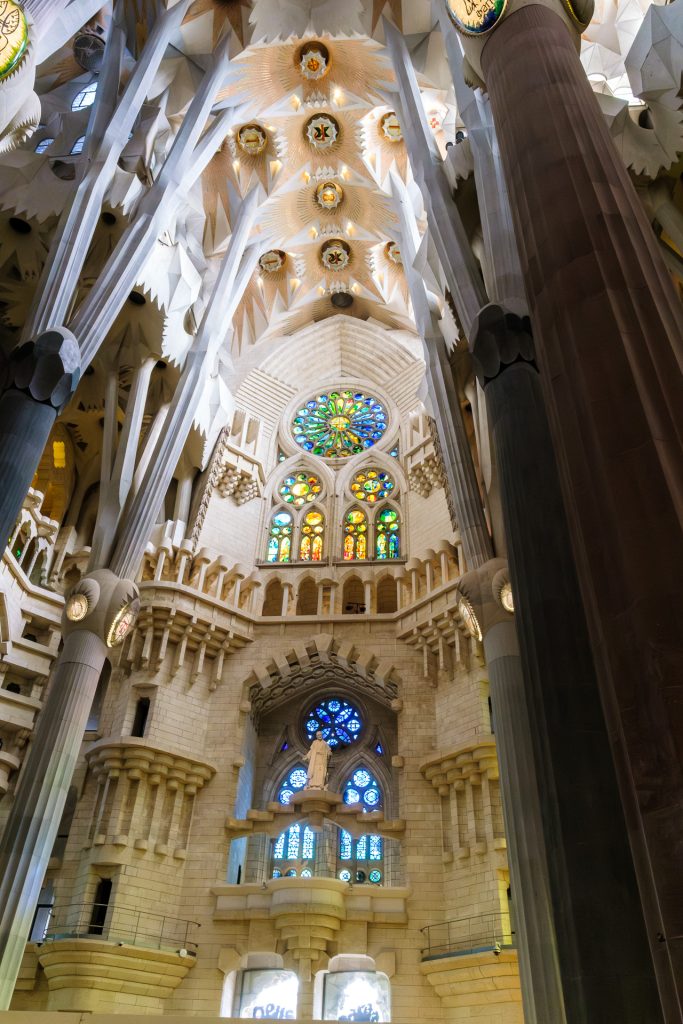
Every inch of this building is covered in impressive detail. I hope to return once the church is fully completed. Currently, the main building is expected to be finished by 2026, with the remaining details to be completed by 2034.
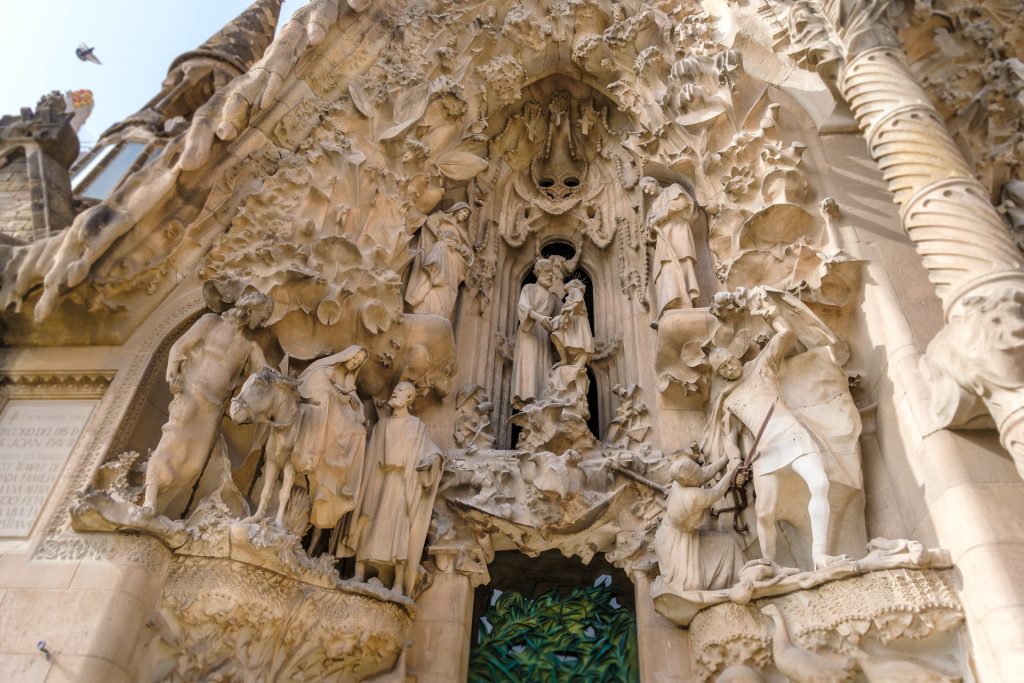
The sculptural work on the Nativity facade is intricate, while the Passion facade is stark in comparison. Initially, I thought Gaudí’s designs must have been altered by the time the Passion facade was constructed, given that he had long passed and some of his plans were destroyed in a fire. However, it could be that he intended for the Nativity facade to be full of life and beauty to represent the birth of Christ. In contrast, the Passion facade, depicting the crucifixion of Christ, conveys the pain and sorrow of the event through its bare and angular design.
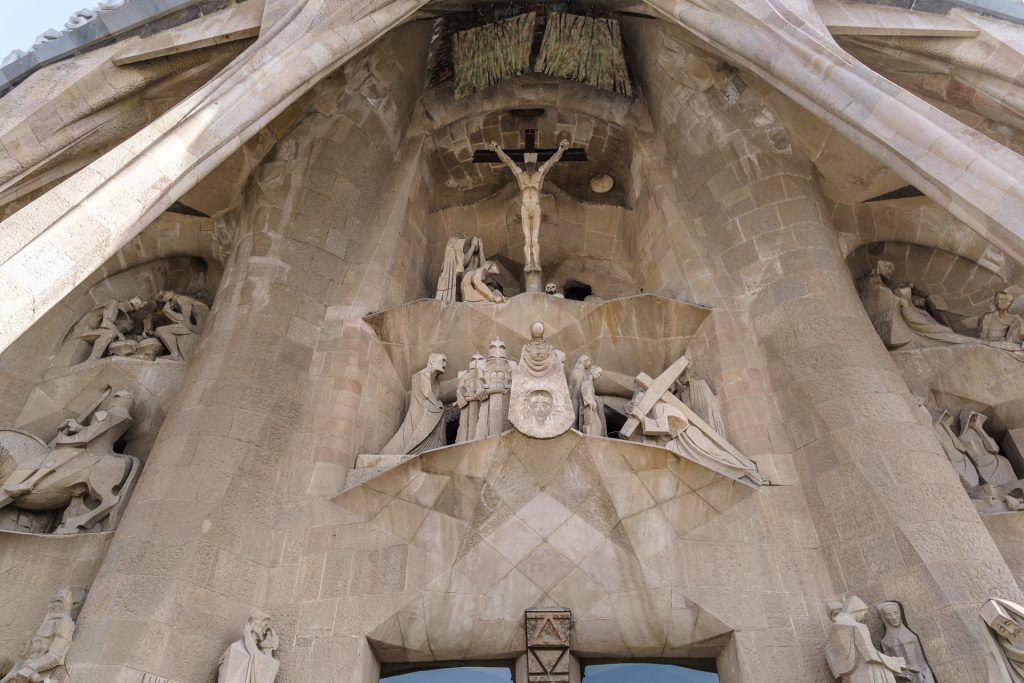
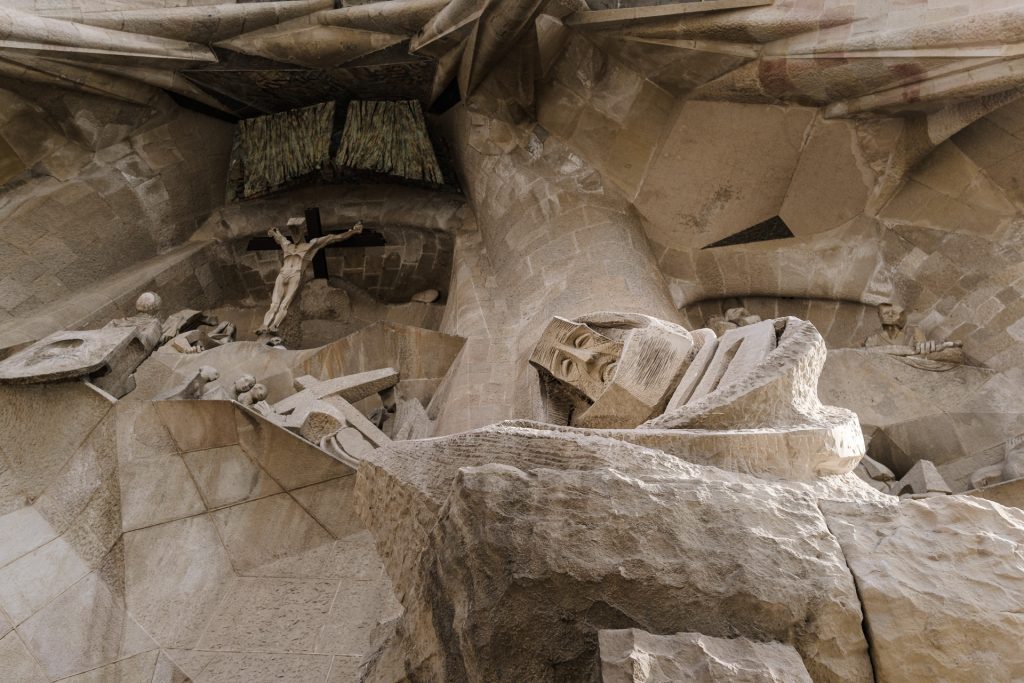
Gaudí dedicated 43 years of his career, 12 of them exclusively, designing the Sagrada Familia. It’s an incredible work of art that he’s left behind to the people of Spain. From a distance, La Sagrada stands out from the rest of the city as it towers over all other buildings.
Every corner of this basilica reflects Gaudí’s genius, blending Gothic and Art Nouveau forms in an uncommon way. The towering spires, intricate facades, and the play of light inside create a spiritual experience that transcends mere architecture.
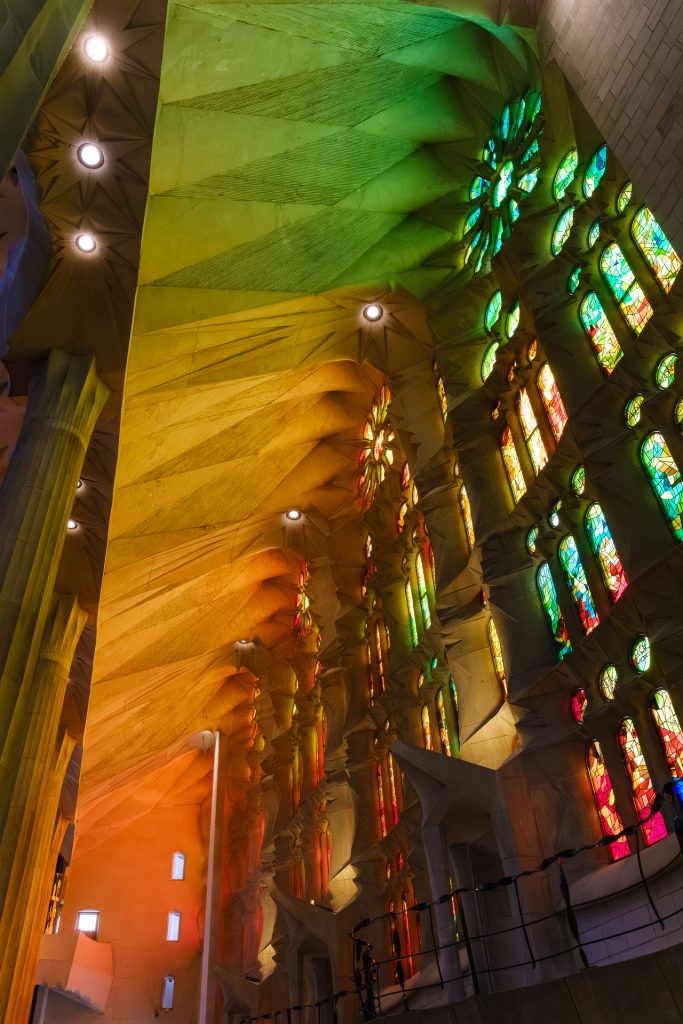
Walking away from this masterpiece, I felt a deep appreciation for Gaudí’s vision and dedication. Despite knowing that he would never see La Sagrada in its completed form, Gaudí invested an immense amount of time and effort working on this project. His devotion to his craft and relentless pursuit of beauty is truly inspiring. The work he has left behind will continue to be enjoyed by many generations to come.